
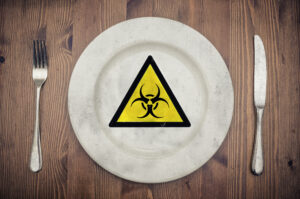
Food processing facilities operate under a unique overlap of regulatory demands. On one hand, food safety agencies require strict sanitation, temperature control, and cleanliness standards. On the other, environmental regulators require careful handling, storage, and disposal of the hazardous materials those sanitation and production processes generate. Few industries have to satisfy both sets of requirements simultaneously and continuously, which is part of what makes hazardous waste management in food processing more complex than it might first appear.
What hazardous materials are common in food processing?
Food processing operations use and generate a wider range of regulated materials than most people assume, including:
- Industrial cleaning chemicals and sanitizers used between production runs
- Ammonia-based refrigeration system waste from cold storage and freezer units
- Wastewater with high organic loads from washdown and processing areas
- Lubricants, coolants, and equipment maintenance fluids
- Packaging materials and adhesives with regulated chemical components
- Pest control chemicals used in and around production facilities
Many of these materials are used daily, which means the waste they generate is also continuous, not occasional, and requires an ongoing management plan rather than a one-time fix.
Why is food processing waste management more complex than in other industries?
Facilities must balance strict food safety and sanitation requirements with hazardous waste regulations, often under the oversight of multiple agencies at once. A cleaning chemical spill, for example, has to be handled in a way that protects both worker safety and food product integrity nearby, which can complicate response procedures compared to a facility with no food-grade concerns. Production schedules also tend to run around the clock or close to it, leaving narrow windows for waste handling tasks like container changeouts or scheduled pickups without disrupting operations.
What are common compliance pitfalls?
Some of the most frequent issues facilities run into include improperly labeled or mismatched containers for cleaning chemicals, inadequate secondary containment around ammonia refrigeration systems, and gaps in employee training on hazardous material handling in fast-paced, high-turnover production environments. Because food processing staff often rotate through multiple stations, hazardous waste protocols that aren’t reinforced regularly tend to erode over time, even at well-run facilities.
How can food processing facilities improve compliance?
A stronger compliance posture usually comes down to a handful of consistent practices:
- Scheduling regular waste audits to track what’s being generated and how it’s handled
- Training staff on proper chemical storage, labeling, and spill response
- Maintaining current Safety Data Sheets (SDS) for every chemical on site
- Reviewing ammonia refrigeration containment systems on a set inspection schedule
- Partnering with a waste management provider familiar with food industry regulations and production realities
Why does refrigeration waste deserve special attention?
Ammonia refrigeration systems, common in large-scale food storage and processing, carry their own specific regulatory requirements because of ammonia’s toxicity and the volume typically stored on site. Leaks or containment failures can trigger emergency response requirements well beyond routine hazardous waste handling, which is why many facilities schedule dedicated inspections for these systems separate from general waste audits.
Western Environmental Services supports food processing facilities with hazardous waste removal, compliance guidance, and emergency response tailored to the industry’s unique demands. Call (626) 339-2340 to discuss your facility’s needs.