
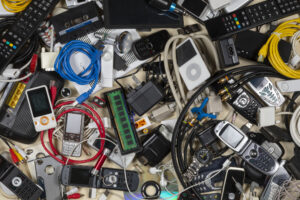
As businesses grow, so does their inventory of electronic equipment, computers, monitors, servers, phones, and countless other devices that eventually need to be replaced. What often gets overlooked is that this equipment doesn’t simply go in the regular trash once it’s outdated. Electronic waste, or e-waste, is regulated, and businesses that scale up their technology use without scaling up their disposal practices can find themselves out of compliance without realizing it.
What qualifies as e-waste?
E-waste covers a broad range of electronic equipment, including:
- Computers, laptops, and servers
- Monitors and televisions
- Printers, copiers, and scanners
- Mobile phones and tablets
- Networking equipment and cabling with regulated components
- Batteries used in electronic devices
Many of these items contain materials like lead, mercury, or cadmium in small quantities, which is what triggers regulation even for equipment that seems harmless once it’s no longer functioning.
Why does e-waste require special disposal handling?
The same components that make electronics function, circuit boards, batteries, certain screens, can leach hazardous materials into soil and groundwater if disposed of in a standard landfill. California and many other states classify e-waste as universal waste or hazardous waste depending on the specific item, which means it’s subject to disposal requirements well beyond simply throwing it in a dumpster.
How does business growth create e-waste compliance risk?
A growing business often adds equipment faster than it updates its disposal practices. What started as a manageable pile of a few old computers can become dozens of retired devices across multiple departments or locations, often without a consistent process for how they’re collected, stored, or disposed of. Without a defined program, e-waste tends to accumulate in storage closets and back offices, out of sight but still technically requiring proper disposal.
What are common e-waste compliance mistakes?
Frequent issues include employees disposing of small devices in regular trash without realizing the regulation applies, equipment sitting in storage indefinitely without a clear disposal plan, and businesses failing to track what happens to equipment after it leaves the building, including whether data was properly wiped before disposal. Data security adds another layer businesses sometimes overlook, since devices containing sensitive information need secure handling in addition to proper environmental disposal.
What should a growing business’s e-waste program include?
A practical program typically includes:
- Designated collection points for retired electronic equipment
- A clear internal policy on how often equipment is assessed for disposal
- Data destruction procedures for devices containing sensitive information
- Documentation confirming proper disposal for compliance and audit purposes
- A relationship with a licensed e-waste handler for regular pickup as volume grows
How can businesses scale their e-waste practices alongside their growth?
Rather than waiting until e-waste becomes a noticeable problem, businesses that build disposal into their technology refresh cycle from the start avoid the backlog that often prompts a scramble later. As a business adds locations or departments, extending the same collection and disposal process consistently keeps the program manageable rather than something that has to be rebuilt each time the company grows.
Western Environmental Services helps growing businesses manage e-waste disposal compliantly, from collection through documented, secure disposal. Call (626) 339-2340 to set up an e-waste program for your business.