
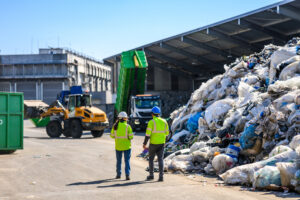
Waste reduction is often framed as an environmental initiative, but for most businesses, the more immediate motivator is cost. Every ton of waste generated carries disposal fees, handling labor, storage space, and compliance overhead attached to it. When a business reduces the waste it generates, those costs don’t just shrink, in many cases they compound into savings that extend well beyond the disposal invoice itself.
Where do waste-related costs actually come from?
Disposal fees are only the most visible cost. Businesses also pay for the labor involved in handling, sorting, and storing waste, the physical space it occupies, the containers and equipment used to manage it, and the administrative time spent on manifests, reporting, and compliance documentation. For hazardous waste specifically, generator status itself can affect costs, since higher generator classifications come with more frequent reporting and stricter handling requirements.
How does reducing waste volume lower costs beyond disposal fees?
When a business generates less waste, it often needs fewer containers, less storage space, and less staff time managing pickup schedules and paperwork. In some cases, reducing hazardous waste volume can shift a facility into a lower generator category, which reduces regulatory reporting frequency and associated administrative costs. These secondary savings frequently add up to more than the disposal fee reduction alone.
What waste reduction strategies tend to produce the biggest savings?
Several approaches consistently deliver measurable cost impact:
- Auditing waste streams to identify the highest-cost, highest-volume sources first
- Substituting materials to reduce hazardous waste generation where feasible
- Improving inventory practices to prevent expired product from becoming waste
- Training staff to reduce spills and contamination that turn reusable materials into waste
- Consolidating or right-sizing waste containers and pickup schedules based on actual volume
Businesses that start with a waste audit typically find that a small number of waste streams account for a disproportionate share of total costs, making them the most efficient place to focus initial efforts.
How long does it take to see savings from waste reduction?
Some savings, like reduced disposal fees from lower volume, show up quickly once changes take effect. Others, like the administrative savings from moving into a lower generator category or the reduced labor from simplified handling processes, tend to build over several months as new practices become routine. Businesses that track costs before and after implementing changes are best positioned to see the full financial picture, not just the disposal line item.
What mistakes undermine waste reduction savings?
A common pitfall is treating waste reduction as a one-time project rather than an ongoing practice. Without regular review, waste streams tend to creep back toward previous volumes as new products, processes, or staff turnover reintroduce old habits. Businesses that build waste reduction into standard operating procedures, rather than treating it as a temporary initiative, tend to sustain their savings over time.
How can a waste management partner help identify savings opportunities?
An experienced partner can often spot savings opportunities that aren’t obvious from inside daily operations, from consolidating waste streams that are currently handled separately to identifying materials that qualify for a lower-cost disposal category. Because they work across many facilities and industries, they can also benchmark a business’s costs against similar operations to flag where there’s room for improvement.
Western Environmental Services helps businesses identify practical waste reduction opportunities that lower disposal costs and simplify compliance. Call (626) 339-2340 to schedule a waste stream cost assessment.