
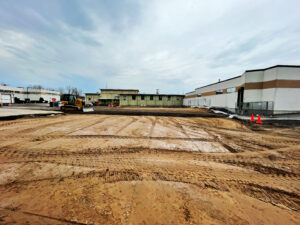
 Contaminated soil and aging underground storage tanks pose both environmental and regulatory risks for property owners. Whether the issue surfaces during a property sale, a routine inspection, or a suspected leak, understanding how the soil remediation and tank removal process works helps owners plan ahead, budget accurately, and avoid costly surprises along the way.
What triggers the need for soil remediation or tank removal?
Common triggers include property transactions, tank age or visible corrosion, findings from an environmental site assessment (Phase I or Phase II ESA), and known or suspected leaks. Older underground storage tanks (USTs) are a frequent source of soil contamination, particularly on industrial or commercial properties that have changed hands multiple times without a full tank history on record.
What does the assessment phase involve?
Before any physical work begins, a site assessment determines the extent of contamination, if any. This typically includes soil sampling at multiple depths, groundwater testing where applicable, and a review of the tank’s age, materials, and maintenance history. The results of this assessment shape everything that follows, from the permits required to the scope and cost of remediation.
What happens during tank removal?
The process generally follows a consistent sequence:
- Obtaining permits from the local fire department or environmental agency
- Emptying and cleaning the tank of remaining product and residue
- Excavating and physically removing the tank from the ground
- Sampling the surrounding soil to check for contamination
- Properly transporting and disposing of the tank and any contaminated soil
Each step is typically documented for regulatory purposes, since incomplete records can complicate future property transactions.
How is contaminated soil remediated?
The right remediation method depends on the contaminant type, concentration, and site conditions. Depending on severity, remediation may involve excavation and off-site disposal of affected soil, on-site treatment methods, or long-term groundwater and soil monitoring for lower-level contamination that doesn’t require immediate excavation. A qualified provider will typically recommend the least disruptive option that still meets regulatory closure standards.
What documentation is required?
Property owners should expect to receive closure reports and regulatory sign-off confirming the site meets applicable environmental standards once remediation is complete. This documentation is often essential for property sales, refinancing, or transferring liability to a new owner, so it’s worth keeping organized and accessible well beyond the completion of the project.
How long does the process typically take?
Timelines vary significantly based on contamination severity and local permitting speed. A straightforward tank removal with minimal contamination might close out in a matter of weeks, while sites requiring extended groundwater monitoring can take considerably longer to reach final closure.
Western Environmental Services provides full-service soil remediation and tank removal, from initial site assessment through final regulatory closure. Call (626) 339-2340 to schedule an evaluation.